Suzanne: Welcome, Brooke. You joined NIF in January 2024 to lead its efforts on sustainability, climate security, and responsible use—and today we'll be focusing on the latter. Can you start with a bit of color on the Fund?
Brooke: Of course. NATO set up NIF in 2023, and we’re now deploying EUR1B across 24 of the 32 member states. We’re also investing in dual-use technologies—those that can be deployed both for civilian and military purposes—to address some of the most critical challenges across defense, security, and resilience.
Suzanne: Defense—and defense spending—has certainly been in the spotlight since the war in Ukraine, the ramping up of China's military spend, and the re-election of Donald Trump. Given your interesting position in this ecosystem, where are you seeing defense forces spending their money and how is that influencing NIF’s focus?
Brooke: Over the past two years alone, we’ve seen a rapid increase in interest from the innovation ecosystem—particularly from governments and venture capital—and a shift away from the old taboo around investing in defense.
NATO set up NIF to keep that technological edge and bolster our collective security across NATO. That has definitely been highlighted by the war in Ukraine, where the most obvious example is the use of unmanned systems such as drones or uncrewed ground vehicles. And the issue of defense security resilience goes beyond what's happening on the battlefield itself, especially in Europe, where we've felt this in the form of energy security. So, it’s still vital that we invest in a sovereign, secure energy system for Europe.
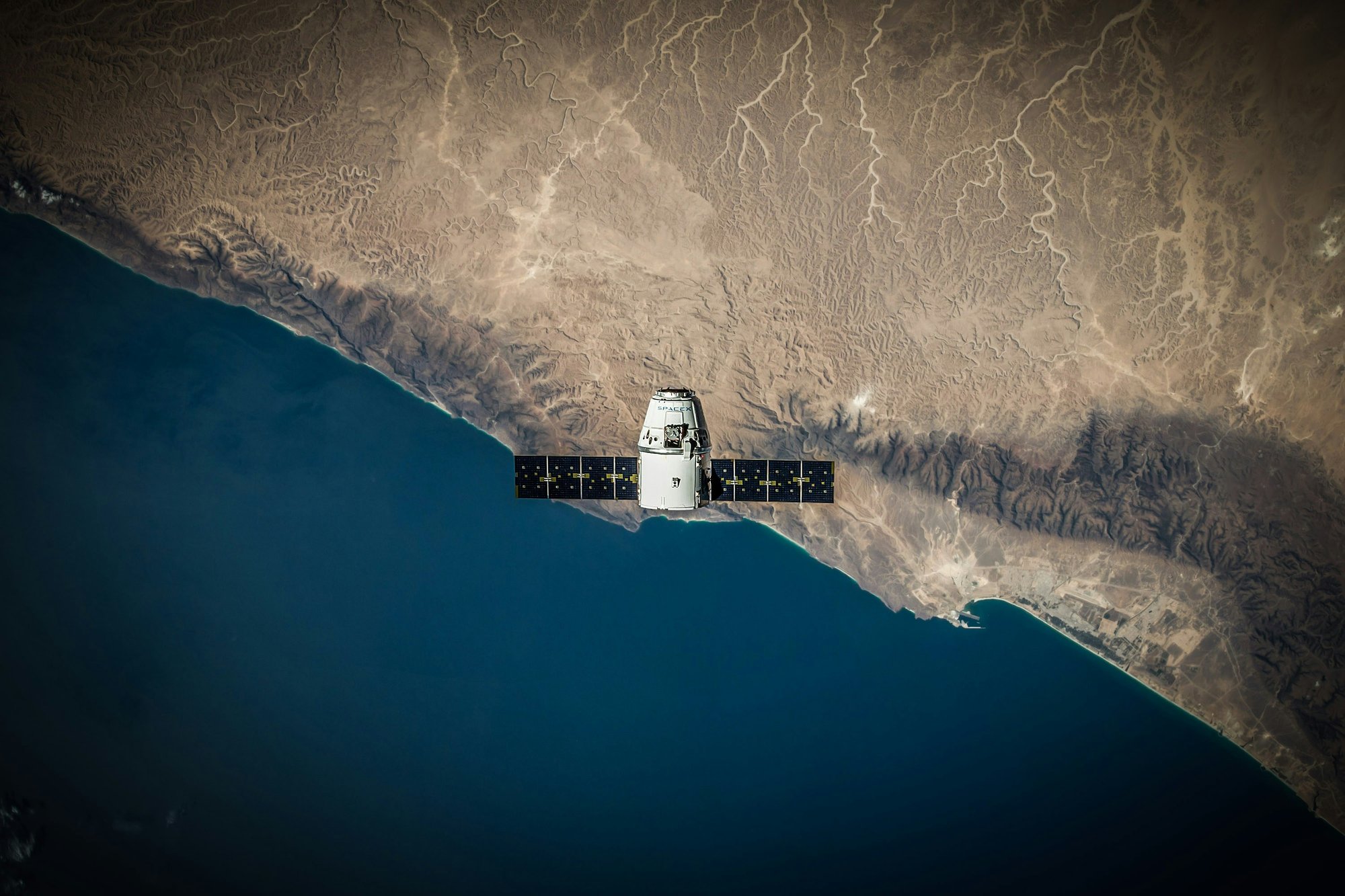
Another growing area is space, particularly in terms of dual-use technologies, where satellite technology like Starlink provided troops in Ukraine with high levels of access and capabilities.
Suzanne: I love the fact that you mentioned Starlink, because this really epitomizes what we're talking about with dual-use technology. For me, it really hit home that one of the first things Zelensky requested was that the Starlink platform be kept activated to support both military and humanitarian operations during the Ukraine war.
One thing that I found really interesting when I started to look more closely at dual-use technology was just how much time the military had spent on developing a framework of ethical thinking and ethical behavior around this. And that’s very much reflected in some of the work NATO has done around responsible use. Can you talk us through that?
Brooke: When NATO created its AI and autonomy strategy back in 2021, it also established six high-level principles to ensure that any technologies are designed, developed, and deployed safely for end users, operators, and society as a whole.